Is Royal Jelly the Superfood You’re Missing?
 “Superfood” is a label that gets attached to almost everything these days — so it’s fair to be sceptical. But every so often a food genuinely earns the hype. So where does royal jelly sit: is it a true standout, or just another trend? Here’s an honest look at whether royal jelly is the superfood worth adding to your routine.
First, What Does “Superfood” Actually Mean?
Let’s be honest from the start: “superfood” is a marketing term, not a scientific one. There’s no official definition, and no single food is a magic bullet. What the label usefully points to is a food that’s unusually nutrient-dense or contains compounds you can’t easily get elsewhere. On that more sensible measure, royal jelly has a genuine claim — as we’ll see.
What Actually Makes Royal Jelly Stand Out
Plenty of foods are nutritious. What makes royal jelly unusual is that it brings something genuinely unique to the table:
- It contains 10-HDA, a fatty acid found in no other food on earth — it’s exclusive to royal jelly.
- It’s rich in major royal jelly proteins (MRJPs), a distinctive protein family.
- It’s the queen bee’s exclusive food — the single thing that separates a long-lived queen from an ordinary worker.
That combination of a rich nutrient profile plus compounds you simply can’t get elsewhere is what lifts royal jelly above the average. For the full breakdown of what’s inside, see our deep dive into its nutritional profile.

How Does It Compare to Other Superfoods?
Most popular superfoods earn their place through one or two strengths — greens like spirulina for nutrient density, berries for antioxidants, manuka honey for its antibacterial edge. Royal jelly’s distinction is its uniqueness: rather than doing one thing, it offers a broad nutrient profile and its one-of-a-kind compounds. It’s less “better than” other superfoods and more “unlike” them. If you’re curious how it stacks up against its hive-mates specifically, see our comparison of royal jelly vs bee pollen vs propolis.
Does It Live Up to the Hype?
Here’s the honest answer: partly, and it depends what you expect. Royal jelly is not a miracle cure, and anyone promising it will transform your health overnight is overselling. But it does have genuinely promising areas:
- The evidence is strongest for supporting women through menopause (see royal jelly for women).
- It’s a well-regarded natural skincare ally (see royal jelly for skin).
- Many people value it simply as a nutrient-dense daily supplement for general wellbeing (see the benefits of royal jelly).
For other uses, the research is still emerging — so the fair verdict is “promising and worth trying,” not “proven wonder-food.” That honesty is exactly why it’s stood the test of time while flashier trends have faded.
Who Is Royal Jelly For?
Royal jelly may suit you if you’re looking for a natural, nutrient-dense supplement to support a healthy lifestyle — particularly if you’re interested in menopause support, skin health, or simply everyday vitality. It isn’t for everyone, though: it should be avoided by anyone allergic to bees, bee pollen or bee products, by those with asthma unless cleared by a doctor, and it’s not suitable for children or women who are pregnant or breastfeeding.
Is It Worth It? Quality Is Everything
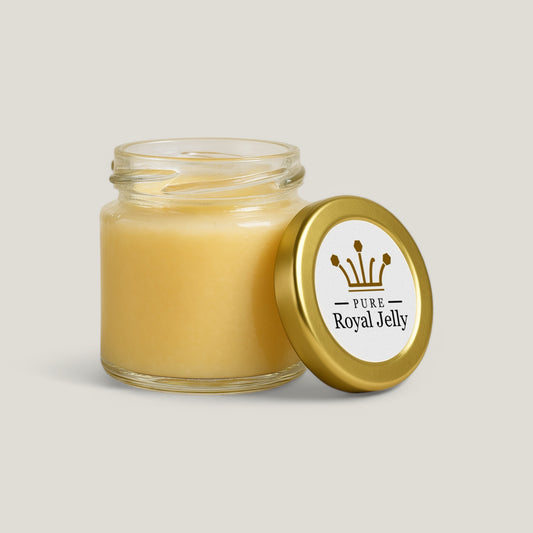
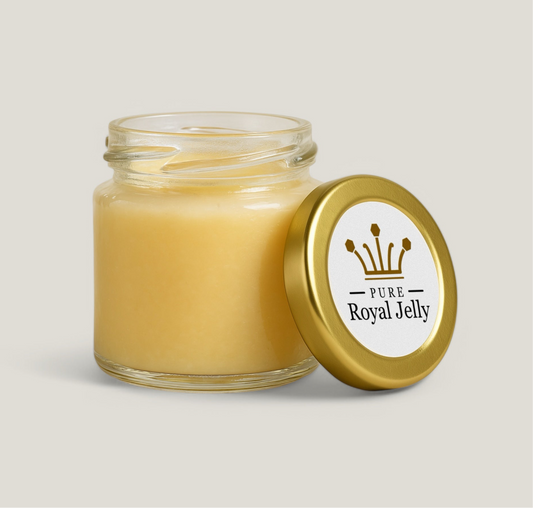
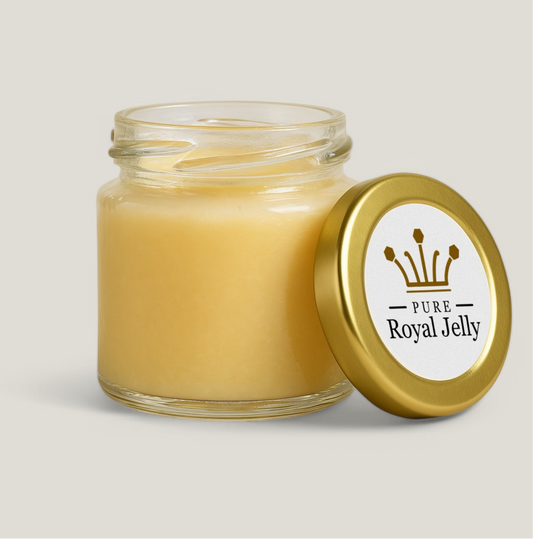
If you do try royal jelly, this is the part that matters most: not all royal jelly is equal. Much of what’s sold is processed into powders and capsules, which can diminish the very compounds that make it special. Fresh royal jelly retains the fullest spectrum — which is why we only sell fresh. If you’re going to judge whether royal jelly lives up to its reputation, it’s only fair to try it at its best. See our comparison of fresh royal jelly vs capsules.
How to Try It
Getting started is simple: take about ¼ teaspoon of fresh royal jelly a day — under the tongue, or stirred into something cold like juice or a smoothie (never hot, as heat affects its delicate compounds). Give it consistent use over several weeks to judge it fairly. For more, see our guide on how much to take.
Frequently Asked Questions
Is royal jelly really a superfood?
“Superfood” isn’t a scientific term, but if it means a nutrient-dense food with compounds you can’t get elsewhere, royal jelly has a strong claim — most notably 10-HDA, which is found in no other food.
Is royal jelly worth taking?
It can be, especially if you value a natural, nutrient-dense supplement. The evidence is strongest for menopause support and skin, and promising elsewhere — just choose fresh royal jelly and give it consistent use.
What makes royal jelly different from other superfoods?
Its uniqueness. Rather than excelling at one thing, it offers a broad nutrient profile plus one-of-a-kind compounds (10-HDA and MRJPs) that no other food provides.
Does royal jelly live up to the hype?
Partly — it’s promising rather than a miracle. It has genuine strengths, but it’s best seen as a supportive supplement, not a cure.
The Bottom Line
So, is royal jelly the superfood you’re missing? If you’re after a natural, genuinely distinctive supplement — one with compounds found in no other food and a long history of use — then it’s well worth a place in your routine. Just keep your expectations honest, choose fresh for full potency, and give it time. That’s the difference between chasing a trend and finding something that lasts.
If you’d like to try it, explore our range of fresh royal jelly.
Disclaimer: The information on this page does not constitute medical advice. Royal jelly is a food supplement and is not intended to diagnose, treat, cure or prevent any disease. It must not be used by children, or by women who are pregnant or breastfeeding. Avoid it if you are allergic to bees, bee pollen or bee products, and consult your doctor before use if you take any medication or have a health condition.
Sources
- Collazo N. et al. Royal Jelly: Biological Action and Health Benefits (unique compounds, composition), PMC: pmc.ncbi.nlm.nih.gov